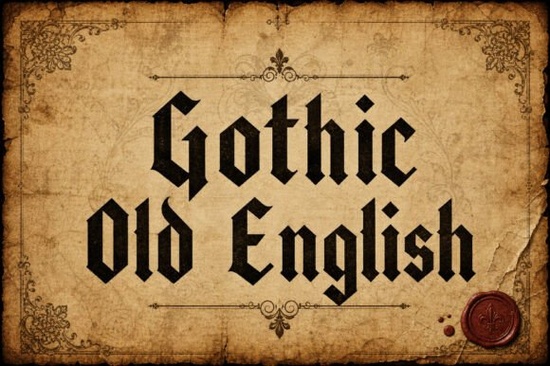
If you're looking for a blackletter font that feels authentically medieval not just decorative but structurally grounded in tradition the Gothic Old English Font is a thoughtful choice. It’s not a stylized reinterpretation or a gothic-themed novelty; it’s built with the weight, rhythm, and sharp precision of historic Old English calligraphy. That means it works well where presence matters: logos for craft breweries, tattoo lettering, wedding certificates, vintage-style posters, or even small-batch product labels for handmade goods.
What makes this blackletter font different from others?
Many blackletter fonts lean heavily into ornamentation swashes, flourishes, or exaggerated contrast but Gothic Old English prioritizes clarity and structure. Its letters have consistent stroke weight, clean terminals, and balanced spacing, which helps it hold up at smaller sizes (like on fabric tags or engraved wood) and remain legible in print or digital use. Unlike some display-focused blackletters, it includes full Latin character sets, standard punctuation, and basic numerals so you’re not stuck hunting for workarounds when typing modern names or dates.
You’ll notice it avoids the “spidery” thinness of some Fraktur variants or the overly condensed look of certain Lombardic styles. Instead, it sits comfortably between traditional Gothic scripts and practical usability a balance that’s especially helpful if you're designing for clients who want heritage appeal without sacrificing readability.
Where does it work best in real projects?
This font shines in contexts where tone and intention are as important as aesthetics. Here are a few everyday uses:
- Tattoo artists appreciate its strong silhouette and clear letterforms ideal for names, mottos, or short phrases that need to age well on skin.
- Small businesses use it for packaging labels, shop signage, or business cards when they want to signal craftsmanship, longevity, or local roots (think artisanal soap makers, distilleries, or bookbinders).
- Print-on-demand sellers find it versatile for themed designs medieval fantasy merch, historical society calendars, or academic conference materials without veering into costume-y territory.
- Crafters and educators use it for certificates, diplomas, or classroom displays where formality and visual weight reinforce importance.
It pairs naturally with simpler sans-serif or slab-serif fonts for contrast say, pairing Gothic Old English for a headline with a clean, neutral body font like Kingsbridge for supporting text. In fact, Kingsbridge was designed with complementary proportions and x-height, making them a reliable duo for layered typography projects.
What about technical details and compatibility?
The font is delivered as a standard OTF file, compatible with Adobe Creative Cloud apps (Illustrator, Photoshop, InDesign), Affinity Suite, Cricut Design Space, Silhouette Studio, and most desktop publishing tools. It supports OpenType features like ligatures and stylistic alternates though these are subtle and functional, not flashy. No extra software or plugins are needed to get started.
It’s not a variable font, so there’s no built-in weight or width axis but the single weight is bold enough for display use while remaining stable across formats. If you need lighter or italic versions for hierarchy, pairing it intentionally with another typeface (like a sturdy serif or geometric sans) tends to work more reliably than stretching or faux-styling this one.
For reference, you can also explore other historically informed blackletter options on Creative Fabrica, such as the Kingsbridge Font or the Gothic Old English Font, both curated for designers who value authenticity over trend-chasing.
A quick checklist before you download
- ✅ You need a blackletter font that reads clearly at medium sizes not just large displays.
- ✅ Your project benefits from historical gravitas, not just “goth” aesthetics.
- ✅ You’re comfortable pairing it with a secondary font for body text or captions.
- ✅ You’ll be using it in vector-based design tools or cutting machines (not exclusively web CSS).
- ❌ You don’t need multiple weights, italics, or extensive language support beyond Western European languages.
If those match your needs, Gothic Old English is worth trying on your next layout even as a test layer. Sometimes the best way to know if a blackletter font fits is to set real text (not just “The Quick Brown Fox”) and see how it behaves with your content’s natural rhythm and length.
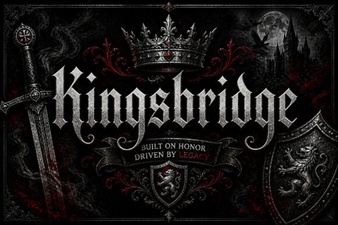 Kingsbridge Font: Design & Creative Applications
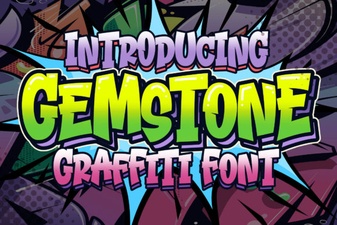 Gemstone Fonts for Elegant & Creative Designs
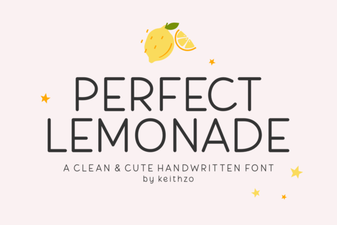 The Perfect Lemonade Font: Design & Download
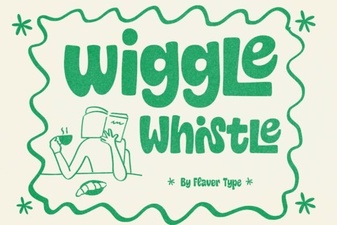 The Wiggle Whistle Font: Creative Ideas & Usability
 Download Pokenom Font: Creative Typography Projects
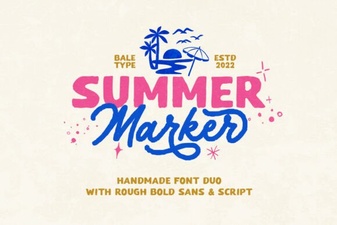 Summer Marker Fonts: Creative Project Ideas